The pump selection problem has a specific quality that makes it frustrating. The options are clearly differentiated by specifications. The specifications are not clearly connected to the actual situation being addressed. GPH, PSI, head pressure, priming requirements. All of these are defined in the product literature in ways that assume the reader already knows what they mean and how to apply them. Most people looking for a pump for a garden feature or a basement sump do not know what they mean and do not have time to become experts.
Three questions resolve most residential pump selections. What fluid is being moved. How far it needs to travel. What the flow rate requirement is.
1. Garden Features and Irrigation
Water features and garden irrigation need low to moderate flow rates at relatively low pressure. A centrifugal pump sized to the volume of the feature and the height difference between the pump and the highest point the water needs to reach covers most garden applications. The common mistake is oversizing, which produces more flow than the feature can handle and either blows the aesthetic of a gentle fountain or creates pressure that the irrigation system was not designed for.
For buyers working through this selection, Pumpbiz provides product specifications in formats that connect the technical ratings to practical applications. The difference between a fountain pump that runs for five years and one that burns out in the first summer is usually a matter of matching rated capacity to actual load rather than buying the cheapest available option and hoping it works out.
2. Basement Drainage
Sump pumps have a specific and unforgiving operating requirement. Water must be released far enough away from the foundation to prevent it from flowing back. Head pressure, or the vertical height required to force water down the discharge line, is the parameter that establishes whether a sump pump is capable of doing this. Water cannot be forced high enough to leave the discharge point by a pump with a great flow capacity but insufficient head pressure.
Compared to pedestal pumps that sit above the water, submersible sump pumps are better at handling the debris that enters with groundwater. For most basement installations, the submersible design is the practical choice regardless of the slightly higher purchase price. The difference in cleanup after the pedestal pump jams on grit is the point of the argument.
3. Well Systems
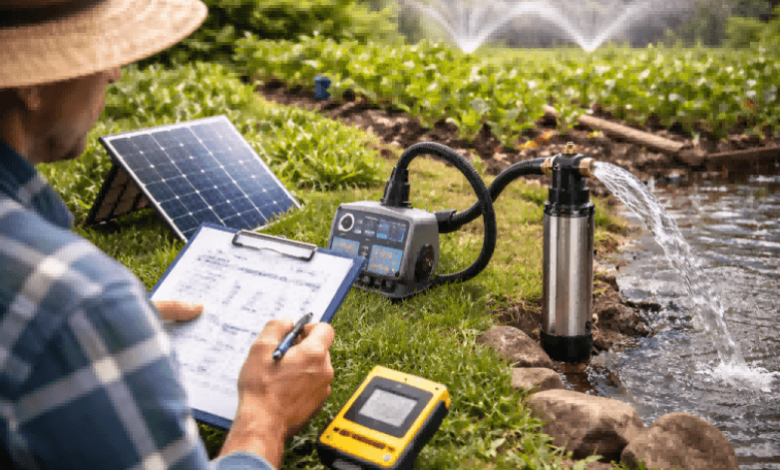
Residential well pump selection is the one with the highest consequence if wrong, because correcting a wrong choice at depth is a significant undertaking. Shallow wells under twenty-five feet can use a surface-mounted jet pump. Deeper wells need a submersible pump positioned below the water table. These are not interchangeable. Getting the depth category wrong means pulling the pump back out, which is not a trivial operation.
See also: Tiny Homes, Big Dreams: How A-Frame Homes Offer The Perfect Escape
Conclusion
Three factors make choosing a residential pump easier: what needs to be carried, how far, and at what flow rate. Whether the equipment operates dependably for years or develops a recurrent issue depends on matching those three factors to the pump specifications. The exact purpose of the requirements is to enable that match.