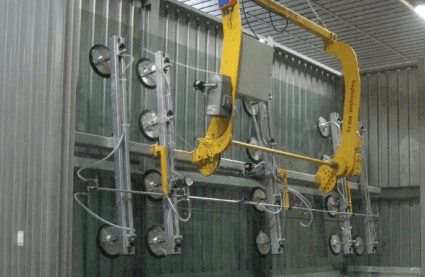
In the rapidly evolving landscape of smart manufacturing, the ability to handle materials with precision and speed is more critical than ever. Whether it is moving delicate glass panels, heavy automotive components, or porous cardboard boxes, the choice of end-of-arm tooling determines the success of the entire production line. Among the various gripping solutions available, industrial suction cups have emerged as the most versatile and cost-effective choice for modern automation.
By utilizing vacuum technology, these components provide a secure, non-marring grip that allows robots to navigate complex tasks with human-like dexterity but machine-like endurance.
Understanding the Versatility of Industrial Suction Cups
The primary reason engineers favor industrial suction cups over mechanical grippers is their adaptability. Mechanical grippers often require specific “fingers” designed for a single object shape. In contrast, a single vacuum system equipped with the right suction cups can handle a wide variety of shapes, sizes, and weights.
Materials and Durability
Modern industrial suction cups are manufactured from a range of high-performance elastomers. Silicon is often used for high-temperature environments or food-grade applications, while Nitrile (NBR) is favored for its resistance to oils and fuels in automotive settings. For heavy-duty industrial use, Polyurethane offers exceptional wear resistance, ensuring that the cups maintain their seal even after millions of cycles on a high-speed assembly line.
Shape and Configuration
Selecting the right geometry is essential for performance. Flat suction cups provide high stability and are ideal for flat surfaces like sheet metal. On the other hand, bellows-style industrial suction cups act like a spring, providing a level of compensation for uneven surfaces or varying heights, which is vital in logistics and packaging.
See also: Manual Steering to GPS Guidance: A Farming Technology Shift
Key Factors in Choosing Your Suction Solution
When integrating vacuum handling into your workflow, “one size fits all” is rarely the case. You must evaluate the porosity of the material, the weight of the load, and the acceleration of the robotic arm.
Enhancing Productivity Through Correct Maintenance
To maintain peak efficiency, industrial suction cups must be part of a proactive maintenance schedule. Because they are the only point of contact between the machine and the product, even minor wear or a buildup of dust can lead to a loss of vacuum pressure.
- Regular Inspection: Look for small tears or “glazing” on the lip of the cup, which indicates the material is reaching the end of its fatigue life.
- Cleaning Protocols: In dusty environments, such as woodworking or paper handling, micro-particles can prevent a perfect seal. Regularly cleaning the contact surface of the industrial suction cups can extend their lifespan significantly.
- Filtration: Ensure your vacuum generators are equipped with proper filtration to prevent debris from being sucked into the lines, which can cause systemic failures.
Conclusion: The Backbone of Modern Material Handling
As we look toward the future of Industry 4.0, the role of vacuum technology will only continue to grow. Industrial suction cups offer a unique combination of simplicity, reliability, and precision. By selecting the right material and shape for your application, you can reduce downtime, prevent product damage, and significantly increase the throughput of your automated systems.